Renewable ocean resource technology focus of new book
OTEC is a process to produce energy using the temperature differences between warmer ocean surface waters and colder deep ocean waters.


OTEC is a process to produce energy using the temperature differences between warmer ocean surface waters and colder deep ocean waters.
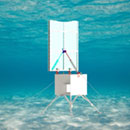
Teams were challenged to develop concepts using wave energy to drive small-scale desalination systems for use in disaster response scenarios.

The research will help Hawaiʻi developers, builders and residents identify energy-saving strategies to cut energy bills and greenhouse gas emissions.

The team was awarded a grant to develop short-term forecasts of sunshine that can reach rooftops and solar panels.

A photovoltaic battery system at the University of Hawaiʻi Marine Center has been proving its value by keeping the power on while reducing the electricity bill.

Construction on the first of two phases of a major photovoltaic canopy on the UH Mānoa parking structure goes online.

Hawaiʻi Natural Energy Institute Director Rick Rocheleau said the island is a perfect location to demonstrate advanced solutions for reliable operations of power grids.

The “Net Zero project could be first in nation for college campus” editorial by University of Hawaiʻi Maui College Chancellor Lui K. Hokoana ran in The Maui News on June 23, 2019.

Students created abstracts, videos and infographics in collaboration with Blue Planet Foundation to promote renewable energy and sustainability in Hawaiʻi.
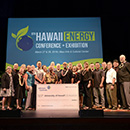
The grant will fund student research projects and a refrigeration and air conditioning technology scholarship.