Students explore Maui recovery through interdisciplinary field study
The field study brought together students from architecture, engineering and urban planning.


The field study brought together students from architecture, engineering and urban planning.
The researchers emphasize that the elevated metal burden likely reflects a complex mixture of exposures rather than a single source.

Together, the awards will extend MauiWES through 2031—eight years after the fires.

It will be the first systematic investigation in Hawaiʻi of heart and lung health risks associated with these legacy pollutants, including arsenic, lead, dioxins and others related to “forever” chemicals.

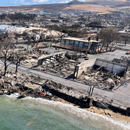
Architecture students explored how design can support economic revitalization, community gathering and long-term resilience in Lahaina following the 2023 Maui wildfires.

The Center for Oral History is launching a series of Maui-based projects focused on recovery, cultural continuity and environmental history.

The report presents findings from the Maui Recovery Survey, an ongoing survey of people who lived, worked, or owned a business in West Maui or Kula at the time of the disaster.

Lele Wale is an original hana keaka written and directed by UH Mānoa MFA candidate in Hawaiian theatre, Ikaika Mendez.
The report follows many of the same adults and children over time, allowing researchers to examine how their health and living conditions have changed since the disaster.
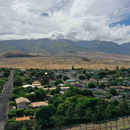
The National Institutes of Health renewed the Maui wildfire study examining long-term recovery, mental health and community resilience.